


Parts of this guide are still under construction and review, but please feel free to enjoy and browse it in the meantime.

Constipation Suggestion Checklist


Introduction


Before we begin, let's welcome our friendly constipation tortoise, who will accompany us on this journey to better understand chronic constipation.
We know this can be challenging, so let's approach it with some lightheartedness and humor to make the process a bit easier.
You’re not alone in this, and together we’ll explore helpful solutions.
Warning!

Please use this guide as a quick reference to identify possible causes of constipation and potential treatment options.
This guide is not meant for self-diagnosis; instead, it can serve as a starting point for further research or help you formulate questions to discuss with your doctor during your visit.
Let's start by defining chronic constipation, and then we will provide you with a checklist of possible causes. After that, we will venture further into potential treatments and end with some fun facts about constipation.
Reminder: Work with your doctor!!


Defining constipation
Let's review the Adult Rome IV criteria for defining functional constipation:
 Functional constipation may be indicated if you have had two or more of the following symptoms over the past six months: |  Fewer than 3 spontaneous bowel movements per week. |
|---|---|
 Straining for more than 25% of defecation attempts. |  Lumpy or hard stools for at least 25% of defecation attempts. |
 Sensation of anorectal obstruction or blockage for at least 25% of defecation attempts. |  A sensation of incomplete defecation for at least 25% of defecation attempts. |
 Manual maneuvering required to defecate for at least 25% of defecation attempts. |
A helpful tool for determining if you have constipation is the Bristol Stool Chart. This widely used chart can help you discuss your symptoms with your doctor.

On the Bristol Stool Chart, types 4 and 5 are considered normal.
Constipation is typically associated with types 1 or 2.

Tortoise Tip:
If you have type 1 or 2 on the Bristol Stool Chart, please don't let it cause you anxiety. It takes time to learn how to achieve softer stools. It's more important to focus on not straining, as straining can damage your tissues.
Additional symptoms that can be associated with constipation:
 Bloating |  Abdominal pain or cramps |
|---|---|
 Frequent burping or gas |  Fecal incontinence or smears in underwear |

Tortally the truth:
The best parameter for constipation is not how many times you go a week, but how difficult it is to have a bowel movement.
Figuring out the cause of one's constipation can be quite the journey. It is important to know that the bowels do not do anything fast. Slow is the name of the game.

Carefully review our list to see if anything jumps out at you that may help you on your journey to treat your constipation.

A Checklist for
Constipation Causes


1. Lifestyle causes:
The causes of constipation are multifactorial, so please make sure you pay attention to lifestyle factors:
 Stress, anxiety and depression |  Lack of movement during the day |
|---|---|
 Changes in routine |  Being too busy for bathroom breaks |
 Holding back bowel movements |  Ignoring the urge to go |
 Not exercising regularly |  Being distracted when on the toilet, disrupting natural processes |
 Travelling or going on vacation |  A disrupted circadian rhythm |
 "Not my toilet" anxiety |

2. Dietary causes:
Diet is fundamental to controlling your constipation. Consider this list of factors that may play a role in causing your constipation:
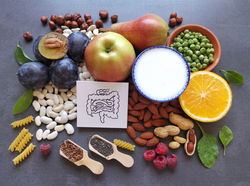 Not eating enough dietary fiber |  Not drinking enough fluids |
|---|---|
 For some milk and dairy products |  Changing your diet |
 Dehydration resulting from beverages like soda, coffee, and alcohol |  Processed foods and meats, fried foods, and refined carbs |
 A diet heavy in red meat |

3. Medication causes:
The list of medications that can contribute to constipation may include:
 Pain medications, such as narcotics and NSAIDs |  Over-the-counter antacids containing aluminum or calcium |
|---|---|
 Antihistamines |  Anticholinergics used for overactive bladder, urinary urgency or frequency |
 Blood pressure medication such as channel blockers and diuretics |  Oral contraceptives |
 Antidepressants (SSRI's) and tricyclic antidepressants |  Antispasmodics used for COPD or asthma medications |
 Anti-nausea medication |  Iron and calcium supplements |
 Cholesterol medications such as statins and bile acid sequestrates |  Muscle relaxant drugs |

Please consult your doctor about your medications and how it may relate to your constipation.

4. Medical causes:
It is important to see your doctor to find out what is causing your constipation.
Some health conditions can affect your nerves, muscles, or hormones, which may lead to constipation.
 Slow motility (Sluggish GI system) | 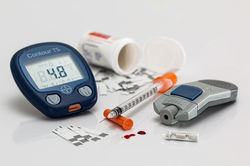 Diabetes |
|---|---|
 Hypothyroidism, or hyperparathyroidism |  Multiple sclerosis or other autoimmune diseases |
 Constipation-predominant irritable bowel syndrome (IBS) | Kidney disease |
 SIBO with intestinal methane overgrowth |  Overgrowth of bacteria or a fungus |
 Celiac disease |  Nerve dysfunction or damage, and other neurological conditions |
 Hypercalcemia |  Parkinson's disease |
 Eating disorders |  Colorectal cancer |
Some medical conditions are structural and can cause constipation by slowing gastrointestinal processes:
 Rectocele or Megacolon (stretched walls of the rectum) |  Scar tissue from abdominal surgeries |
|---|---|
 Colonic stricture (narrowing of intestines caused by inflammation) |  Bowel adhesions from abdominal surgeries |
 Redundant colon (abnormaly large or twisty colon) |  Diverticula (bulging sacs usually in the lower part of the colon) |
 Volvulus (twisted bowel) |  Hemorrhoids (Swollen and inflamed veins in the anus and lower rectum) |
 Fecal impaction (large hardened stool becomes stuck in the rectum or lower colon) |  Pelvic organ prolapse affecting your intestines (enterocele) |
Colorectal cancer or other tumors or growths |
The opposite can also happen, with structural problems arising from straining:
Hemorrhoids (swollen or inflamed veins in the anus or rectum) |  Pelvic organ prolapse (organs tilting) |
|---|---|
 Rectal prolapse (the rectum weakens and slides out of its normal position) |  Anal fissures (small tear or crack in the lining of the anus) |
 Hiatal or other hernias (organs or fatty tissue pushes through a weak spot in the surrounding muscle or fascia) | Diverticula (bulging sac in the lining of the lower part of the colon) |
Straining can also have the following repercussions:
 Tearing of tissue fibers during extreme straining |  Heart arrhythmias or cardiac events if you are at risk |
|---|---|
 Fainting |

Tortoise Teaching:
Occasional straining is not a problem, but repeated straining can cause or aggravate structural bowel problems.

4. Pelvic floor dyssynergia:
Pelvic floor dyssynergia is when the pelvic floor muscles don't relax and coordinate properly during bowel movements. Some of the symptoms of dyssynergic defecation may present as follows:
 Straining |  Needing digital manipulation to pass stool |
|---|---|
 Pain while having a bowel movement |  Incomplete bowel movement |
 Frequent use of laxatives |  Abdominal bloating |
Urinary symptoms |  Intimacy problems |

5. Other causes of constipation:
 Female gender |  Age >65 years |
|---|---|
 Pregnancy |

Seeing your doctor for constipation
The following is a list of red flags that should prompt you to schedule an appointment with your doctor:
 Bleeding from the rectum |  Black stools or blood in your stools |
|---|---|
 Vomiting |  Stomach pain that is severe or does not go away |
 Change of shape or color of your stools |  Weight loss that you cannot explain |
 Constipation symptoms affecting the quality of your life |  Your symptoms last longer than three weeks or you cannot get rid of it |
You should also see your doctor for:
 Annual colorectal screen |  To plan when you should have a colonoscopy done. |
|---|---|
Colon cancer is a cancer that can be prevented with screening. |
Constipation treatment options
1. The first step:
Lifestyle modifications and the use of over-the-counter medications.
Food recommendations:
Increase fluid intake. | Increase fruits, vegetables and whole grains. |
|---|---|
 Distinguish between soluble and insoluble fiber, especially with slow motility. |  Take a daily fiber supplement if you need to. |
 Consider consulting a professional about diet options. |  Consider eliminating gluten for a short trial period |
Consider cutting out dairy for a while. |  Talk to a specialist about a low fodmap diet. |
 Clean out your pantry and stock with healthy foods. |  Try a hot drink in the morning. |
 Some people benefit from drinking coffee in the morning to facilitate a bowel movement. |  Also consider that drinks high in caffeine can lead to dehydration. |
 Drinks containing alcohol, and those with excessive sugar can lead to dehydration. |  Consider over-the-counter options |
 Consider other natural treatment options. |
Exceptions:
|  |
|---|---|
 | |
| Consider consulting a professional about diet options. |
Increase fruits, vegetables and whole grains. | Distinguish between soluble and insoluble fiber, especially with slow motility. |
Take a daily fiber supplement if you need to. | Consider eliminating gluten for a short trial period |
Consider cutting out dairy for a while. | Clean out your pantry and stock with healthy foods. |
Try a hot drink in the morning. | Some people benefit from drinking coffee in the morning to facilitate a bowel movement. |
Also consider that drinks high in caffeine can lead to dehydration. | Drinks containing alcohol, and those with excessive sugar can lead to dehydration. |
Consider over-the-counter options | Consider other natural treatment options. |

No rush I'm on tortoise time:
Introduce additional fiber slowly, while also increasing your fluid intake. Adding fiber too fast may make you more constipated or cause bloating or abdominal pain. Make sure to focus on soluble fiber vs insoluble fiber when you have slow motility. Soluble fiber could improve IBS symptoms, with varying effects on abdominal pain.
Other recommendations:
Use the bathroom 20 min after a meal. |  Don't ignore the urge to go. |
|---|---|
 Adjust your toilet posture by adding a footstool. |  Try leaning forward and then back a few times when on the toilet to facilitate a bowel movement. |
 Massage your stomach to help with the constipation. |  Make sure you get a good night's sleep. |

Turtling is my cardio
Exercise recommendations for constipation:
 Kegel exercises focussing on relaxing your pelvic floor muscles |  Teaching you breathing exercises to expand your lower rib cage, so that your diaphragm moving up and down, can facilitate optimum organ movement. |
|---|---|
 Stretches for your abdomen to facilitate GI motility. |  Knee hugs |
 Twisting exercises |  Child's pose |
 Pelvic tilts on a therapy ball |  Blowing up balloons while in an upright posture helps strengthen the diaphragm and facilitate organ movement |
 Daily walk 20 min or 1 mile |
2. The second step:
If you still struggle with constipation, consider an evaluation by a pelvic floor therapist for possible pelvic floor dysfunction.
Physical therapy for constipation
After a thorough evaluation, your therapist may address the following:
Reviewing your toilet posture and suggest a foot stool. |  Teaching you correct bearing down mechanics during a bowel movement |
|---|---|
 Re-training of your pelvic floor muscles to contract and relax at the right time. |  Refine pelvic floor muscle coordination. |
Kegel exercises focussing on relaxing your pelvic floor muscles | Teaching you breathing exercises so that your diaphragm can facilitate optimum organ movement. |
 Addressing posture to facilitate GI motility. |  Reviewing your lifestyle, diet, and habits with you. |
 Releasing scar tissue from surgeries that may affect bowel movement. |  Providing visceral manipulation techniques to loosen adhesions between organs. |
Strategies to help the nervous system for optimum vagus nerve function. |  Teaching you how you can use transcutaneous electrical nerve stimulation (TENS) for constipation |
 Biofeedback for pelvic floor retraining, which allows you to view your pelvic floor performance on a computer screen. |  Balloon biofeedback or bowel re-training if appropriate. |
3. The third step:
Surgery is rarely needed and is usually only done when there is a structural cause to your constipation.


Shell me more!
Fun facts about constipation
Here are some interesting facts about constipation and our gut:
 Two thirds of our immune system is situated in our gut. |  The gut temporarily becomes more porous after antibiotics, stress or alcohol. |
|---|---|
Our small intestine works better to extract all the good stuff when we are relaxed after a meal. |  If we stop listening to our body (urge), then it just gives up and stop talking to us. |
 Giving birth can decrease the communication between the sphincter and pelvic floor muscle. |  When you bounce on a trampoline, your gut bounces with you. |
 Cooked food can contain more soluble fiber. |  Cooked food helps with bowel movements by making some foods easier to digest. |
 Soup can be a fun way to increase fluid intake, especially during winter. |  Rumbling in the tummy does not mean you are hungry, it means your intestines is cleaning itself. |
 Chewing your food well, gives your stomach a break. |  Withholding just twice trains the muscles and nerve to start working backwards. |
Ignoring the urge for two days can lead to constipation. |  Be patient. Everything with the large intestine takes time. |


Turtley awesome!
Let's shell out some love.